Era Pickleball Lessons: Learn, Practice, Compete
The first time I watched a league game at Era Pickleball, the energy wasn’t the big rallies or the fancy dinks that drew me in. It was the quiet, almost ritual rhythm of preparation: players tapping the soles of their shoes, adjusting grips, glancing at the scoreboard as if reading a weather report. A facility that can host an indoor court in winter and roll out daylight-sintered outdoor hard tops in spring becomes more than a place to hit the ball. It becomes a learning ground, a community, a training center shaped by real-world needs. And Era Pickleball has built a reputation for offering a complete arc for players who want to learn, practice, and compete in equal measure.
If you’re stepping into the Era Pickleball ecosystem for the first time or you’re returning after a season away, you’ll notice the same through-line: clear pathways from fundamentals to competition, guided by coaches who have spent years refining the craft themselves. The lay of the land matters as much as the court surface. The right practice structure, the right drills, and the right mindset can transform a casual weekend warrior into a steady, reliable opponent at the net. Here is what I’ve learned from working with players across eras of the sport, and how to approach Era Pickleball as a comprehensive learning journey rather than a single destination.
A living map of skills, from first contact to clutch moments
The game moves quickly, but learning moves even quicker when you have a map. In my early days coaching new players at Era Pickleball, I saw two universal truths emerge. First, your best improvements happen when you treat every session as a deliberate experiment rather than a race to a scoreboard. Second, the facility itself is a kind of peer tutor, offering diverse court layouts, lighting conditions, and partner dynamics that reveal gaps you might not notice in a private gym.
Learning at Era Pickleball starts with a deliberate emphasis on the grip, stance, and paddle angle. The sport’s left-right symmetry means the same principles apply at the kitchen line as they do at the baseline, but the application changes with position. When players begin, they tend to overcommit to one bad habit or another. They’ll grip too tightly because they fear mishits, or they’ll lean forward into the ball with their shoulders collapsing, which robs the shot of power and control. A good coach will recognize these tendencies quickly, reset the body to neutral, and then guide the player through the correct kinetic chain from legs up through the paddle.
Era Pickleball’s indoor courts and outdoor courts each offer unique teaching opportunities. Indoors, the ball tends to bounce higher and slower, with more predictable bounces on standard surfaces. Outdoors, you learn to ride the wind, adapt to sun glare, and adjust to slightly truer bounces on varied asphalt or concrete textures. The two environments complement one another. A student who can keep the paddle face square indoors will carry that reliability outdoors, even if the wind shifts a few degrees. In turn, the outdoor sessions sharpen your awareness of footwork and court coverage, since the pace of rallies often winds up being less forgiving when the surface is uneven or the lighting is challenging.
What follows is a practical blueprint based on years of coaching in real-world gymnasiums, club rooms, and arena spaces that Era Pickleball has laid out for its members. The aim is not to turn you into a pro in a single week but to build a robust, adaptable toolkit you can draw on in any setting, against an assortment of opponents.
A practical path to mastery
The best way to frame your time at Era Pickleball is to think in three stacked layers: learn, practice, and compete. Each layer supports the others. You learn the mechanics, you practice them under guided conditions, and you step into competitive discover more environments that test your mastery and reveal what still needs work. Rarely does a player skip a layer successfully. The most reliable progress happens when you treat the journey as a continuous loop: absorb a concept, try it in a drill, apply it in a seeded point, and then adjust your plan based on feedback from coaches and peers.
In the learning phase, fundamentals rule. You’ll spend time on the serve, return of serve, third-shot drops, and two-bounce rally patterns. The serve in pickleball is a strategic device as much as it is a diagnostic tool. A serve that stays low and deep creates immediate pressure on your opponent while preserving your own court position. The return of serve is a decision point—do you push the attack, or do you reset the rally to a more favorable baseline? The third-shot drop is often the most important shot in the game because it sets up your transition to the non-volley zone. Mastering these shots requires a combination of visualization, muscle memory, and real-time feedback from a coach who can spot micro-mismatches in your stance or paddle angle.
As you move into purposeful practice, you’ll hear your instructors talk about patterns instead of single shots. It’s not enough to know how to hit a backhand slice when you’re alone on the court. You need to be able to replicate the same movement while someone is returning serves and moving into a different alignment. This is where Era Pickleball’s structure pays off. In one session you might drill a coordinated sequence: serve, deep return, third-shot drop, approach to the kitchen line, and a crisp volley to a corner. Then you add defense—learn to recover when the ball is hit toward your feet, learn to peel off a misdirected shot with a controlled slice, and learn to reset your stance without losing balance.
The competition phase is where all the practice meets reality. Competing teaches you to manage pressure, time your intention, and lift your decision-making under fatigue. Here you’ll find ladder leagues, skill-based scrimmages, and open play where the best lessons are often the ones you don’t plan for. You’ll learn to read your opponent’s tendencies quickly, weigh risk versus reward in the critical moments, and maintain composure when the scoreboard looks unforgiving. The better you are at coaching yourself through these moments, the more you’ll find yourself enjoying the challenge rather than feeling overwhelmed by it.
A few insights from seasoned players and clinicians
Experience on the court is a great teacher, but a few seasoned voices can illuminate the path. I’ve listened to workouts in the Era Pickleball facility where high-level players describe why they value short-angle dinks more than bruising power from the baseline. I’ve also watched beginners discover that their most meaningful improvements came from small, repeatable habits rather than dramatic, one-off drills.
One practical insight that keeps showing up: footwork governs nearly every shot. If your feet are under you, your paddle can do more of the work you want. If your feet are lagging, you’re playing catch-up with the ball, and your confidence deteriorates with every misstep. Footwork isn’t glamorous, but it compounds quickly. The first week with a new student often focuses on base weight distribution and micro-adjustments—tiny shifts that allow players to move laterally with minimal wasted energy.
A second recurring theme is the value of predictable practice. Era Pickleball’s coaches often set up a drill that begins with a fixed ball placement and then introduces variations in pace, spin, and angle. This approach reduces cognitive load during the most frenetic rallies and gives players a chance to learn how to adapt without fracturing their mechanics. Over time, those small adaptive moves become second nature.
Finally, the mental game deserves explicit attention. You can have perfect technique, but if you crumble in the heat of a point, your technique won’t matter. Techniques for maintaining focus, managing nerves, and building a routine for post-point recovery are as essential as any forehand drive. Era Pickleball environments encourage players to build a ritual around practice and competition, a reset after each rally that preserves energy for the next exchange.
What to expect from Era Pickleball facilities
Era Pickleball has invested in spaces that support a broad spectrum of players, from curious beginners to ambitious competitive athletes. Indoor courts provide a climate-controlled setting that makes year-round practice predictable. The surfaces are designed for consistent ball bounce and predictable wear, which helps new players learn the game without fighting the court’s quirks. Outdoor courts expose players to sun, breeze, and the subtle unpredictability of weather while still maintaining well-maintained surfaces and clear markings.
Beyond the physical spaces, the culture matters. A good pickleball community blends instruction with social energy. You want coaches who can articulate a concept in clear terms and then translate that concept into a drill you can feel in your feet. You want practice partners who challenge you just enough to push progress without pushing you to feel overwhelmed. Era Pickleball’s programming often centers around a culture of growth, where players at different levels share a common language about shots, positioning, and tempo.
If you are exploring membership, you’ll discover it’s designed to be flexible. Some players come in for single-session workshops when a new drill is introduced. Others enroll in weekly programs that weave together skill development, strategy, and match play. There are ladders and leagues that rotate players through competitive formats, creating opportunities to meet opponents with similar skill levels while still offering a test against those who push you to think harder and move faster.
Two essential routines that sustain long-term growth
In my experience, two routines consistently unlock durable progress in Era Pickleball players who aren’t chasing quick wins but building a lasting skill set.
First, a deliberate, small-skill habit. Pick a single improvement target each week and practice it with a precise metric. For an indoor session, that might be achieving a three-shot sequence with a successful third-shot drop in eight out of ten attempts. For a windy outdoor session, it could be maintaining a stable paddle face through a half-hour of driving the ball with controlled spin. The key is not to overwhelm yourself with multiple targets at once. Incremental wins build confidence and create momentum for the next week.
Second, a post-practice reflection ritual. After every session, take five minutes to review what went well, what felt off, and what you will adjust before your next practice. Write down a couple of concrete adjustments, then carry them into your next session. This practice is often more valuable than any new drill because it forces you to translate experience into strategy.
A concise guide to getting started at Era Pickleball
If you’re ready to enroll or simply want to pilot a few sessions, here are practical steps you can take that keep you focused on growth rather than flailing through a maze of options.
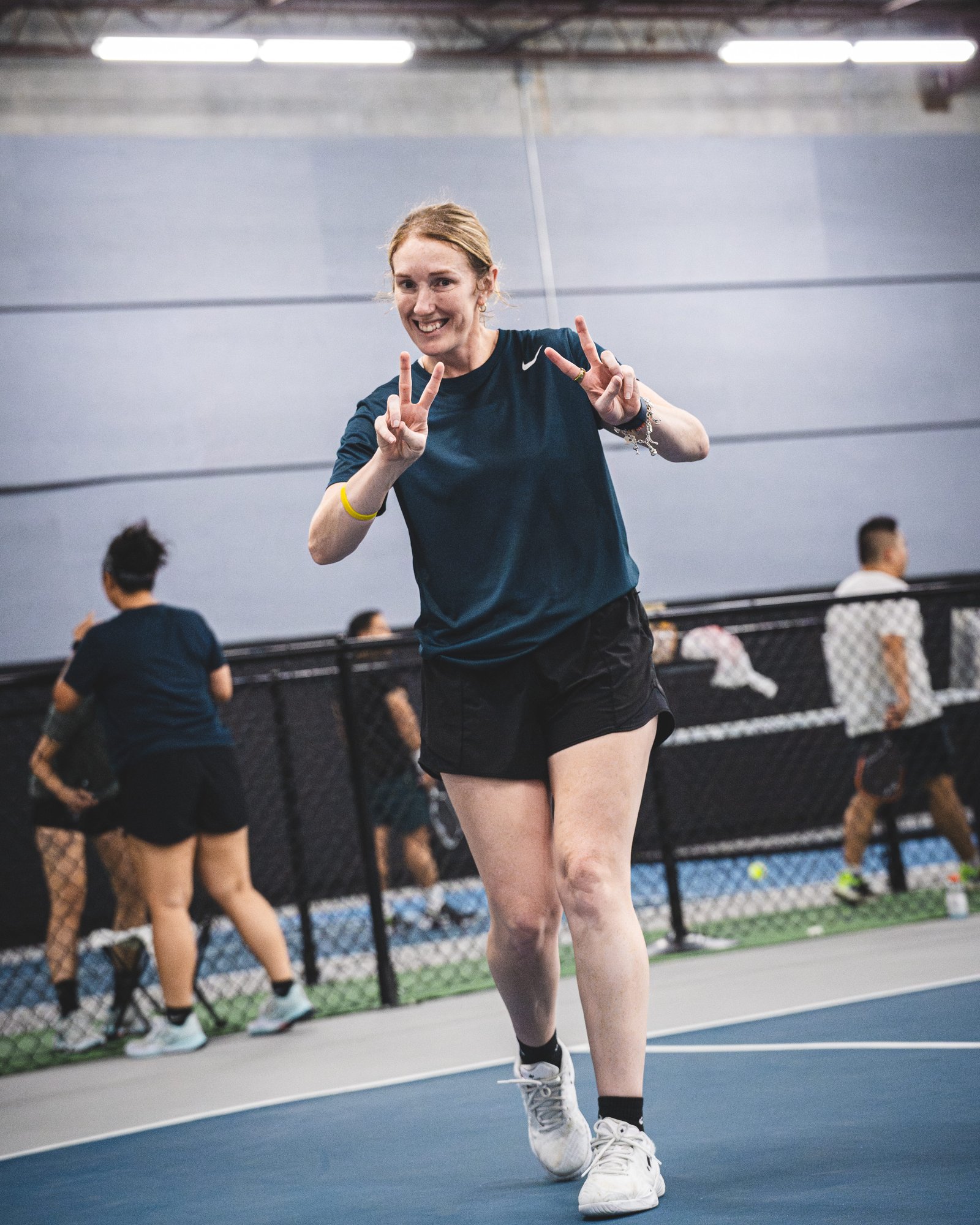
- Start with a fundamentals class or a coaching session to calibrate your grip, stance, and paddle angle. A good starter session will surface your weak points quickly and give you a baseline to improve from.
- Schedule a mix of indoor and outdoor sessions in the first two weeks. The contrast will reveal how you respond to different surfaces and environmental conditions and will help you build a more adaptable game.
- Attend at least one drill-focused practice per week. Drills that emphasize consistency and decision-making under pressure accelerate your learning curve more than free play alone.
- Join a weekly match or league format within the first month. Competition is a practical teacher, and you’ll learn to manage nerves, pace, and strategic choices in real time.
- Keep a simple practice log. Note goals, outcomes, and adjustments. The consistency of record-keeping makes the growth pattern visible over a month or two.
The choice to compete is a choice to grow
I’ve watched players arrive at Era Pickleball with a modest serve and a fear of the kitchen line. Over weeks and months, they learn to convert hesitation into controlled aggression, to string together two or three solid rally sequences, and to stay even-keeled when a rally turns into a sprint. The move from learning to practicing to competing isn’t a straight line; it’s a dynamic arc shaped by your willingness to reframe mistakes as information and your willingness to trust a coaching pathway that has proven its practical value time and again.
The club experience matters as much as the technique
Pickleball is not a sport where talent alone guarantees progress. It’s an ecosystem that rewards disciplined practice, thoughtful reflection, and a willingness to recalibrate after a tough week. Era Pickleball’s culture reflects that reality. Coaches, casual players, tournament competitors, and newcomers all share a common goal: better understanding of the game and the confidence that comes with consistent improvement. In a setting like Era Pickleball, the best players aren’t those who can hit the hardest or sprint the fastest; they are the ones who can manage the game’s tempo, read their opponent’s plans, and maintain composure under pressure.
Over time, you’ll realize something valuable: the sport rewards patience as much as it rewards speed. The best Players learn to slow their breath, exhale when they need to reset, and accelerate when the rally demands it. They understand that every point is a decision, and the quality of decisions compounds. That mindset aligns with Era Pickleball’s approach to development, in which the emphasis is on building a reliable, repeatable system for movement, shot selection, and recovery.
A few cautionary notes to keep you grounded
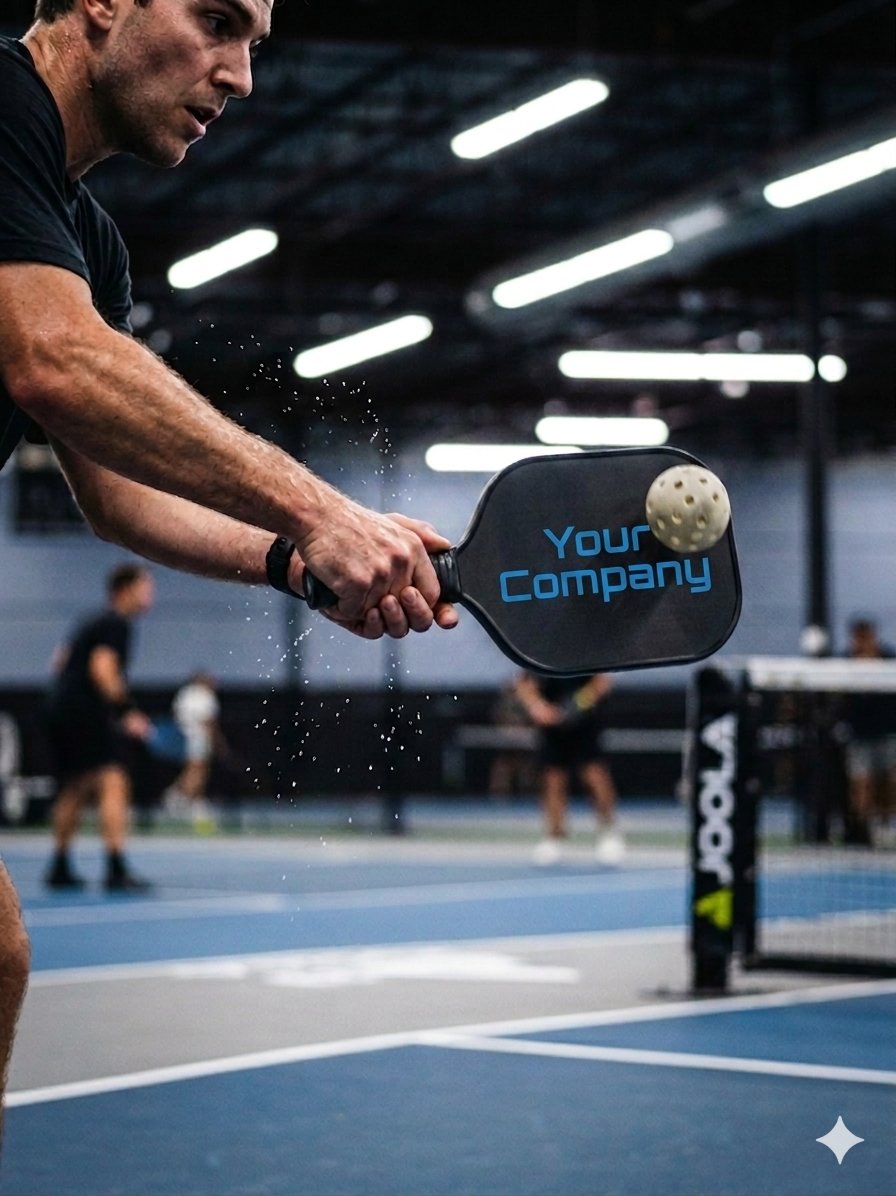
If you’re listening to competitive chatter online or in mixed circles, you’ll hear arguments about the best equipment, the ideal court surface, or the optimal drill catalog. The truth, as I’ve seen it through years of coaching, is far more nuanced. Your best paddle, your favorite grip, your preferred ball color are less important than your ability to stay present in the moment of contact, to trust your training, and to adjust your plan as conditions demand.
Low and mid-range shots, often overlooked, carry a disproportionate amount of strategic value. When I’m coaching, I push players to think about the entire rally as a sequence of small wins that accumulate toward a bigger objective. If a drill teaches you to hit a precise drop shot eight times in a row, but you fail to use that shot when your opponent presses you at the net, then the drill hasn’t served its purpose. The art of playing Era Pickleball well lies in transferring practice outcomes into match-day decisions, not in performing perfect drills in isolation.
Designing your personal growth path requires honesty about your strengths and vulnerabilities. Some players thrive on physical speed and court coverage; others gain a strategic edge by studying patterns and exploiting timing. There is no single path that guarantees success. The best approach is to assemble a small, coherent toolkit and use Era Pickleball as a living lab where you test, refine, and occasionally discard ideas based on real feedback.
What the road ahead can look like
For many players, the trajectory through learn, practice, and compete unfolds over months rather than weeks. A typical arc might look like this: three months spent building reliable serves and returns, followed by another three to four months of integrating consistent net play with smart shot selection, and finally a season in which you balance training with competitive play, learning to manage fatigue and maintain a steady rhythm across a tournament weekend.
Along the way you’ll encounter a few plateaus. Plateaus aren’t a sign you’ve failed; they’re a signal that you’ve encoded enough information into your nervous system to push into the next level. When you hit one, shift the focus from volume to precision. Shorten your practice windows, slow the tempo of your drills, and anchor back to fundamentals you know you can execute reliably. Eventually you’ll emerge on the other side with a new gear in your arsenal.
A closing reflection from the court
If you ask veterans what keeps them coming back to Era Pickleball, they’ll speak not just of wins and losses but of the habit-building joy that comes from showing up, probing your limits, and noticing clear improvements in weekly sessions. That same sentiment applies to someone new who is learning the game’s vocabulary, the rhythm of a dink exchange, and the shared satisfaction that comes from a well-executed rally. The sport tests your body, but it also tests your attention, your patience, and your willingness to learn. And in that testing, the Era Pickleball community offers a steady, reliable mirror: a place where your efforts are read back to you as progress, sometimes gracefully, sometimes with a little friction, but always with a roadmap toward greater competence.
If you’re weighing the question of whether Era Pickleball is right for your learning journey, consider what you want most from the sport: a clear ladder of learning, a community that values growth, and dependable facilities that support you through every step. If that aligns with your goals, you will find that the path from learning to competition is not a sprint but a guided trek with a seasoned coach, a supportive group of players, and the confidence that comes from doing the work day after day in a space that understands the nuance of this game.
As you embark, remember that the court will still be there tomorrow. The ball will bounce, the paddle will meet it, and the moment will reset. Your job is simple and powerful at once: show up, listen closely to the feedback you’re given, and go back on the court with a plan that makes the next rally count. In time you’ll find your own voice in the mix of backspin, soft hands, and sharp angles, and you’ll know you belong in a community that values the craft as much as the competition.
Two closing practical reminders for the die-hard learner
- Use the three-layer framework—learn, practice, compete—as your default lens for planning any Week at Era Pickleball. If a session doesn’t move you through one of those layers, adjust your plan so it does.
- Treat your practice log as your most trusted coach. Jot down a single sentence about what worked, what didn’t, and one adjustment you will test next time. The simplicity of that habit compounds into deep, meaningful growth over time.
Era Pickleball isn’t just a facility. It’s a living, evolving environment that rewards consistent effort and thoughtful application of what you learn on the court. The design of the spaces, the cadence of the coaching, and the energy of players who care about improvement create a holistic experience that can turn curiosity into competence and competition into confidence. If you commit to the process, you’ll find yourself not simply playing pickleball but understanding it—its tempo, its angles, its rhythm—well enough to anticipate, adjust, and thrive on any court you step onto.