Pickleball Academy Era Pickleball: Elevate Your Game
In the world of pickleball, where rhythm matters as much as power, Era Pickleball stands out not as a flashy novelty but as a thoughtful, deeply practical path for players who want to improve with intention. The center started as a court cluster and training idea, but it grew into a community where coaching method meets real-life play, where the ball finds a steady rhythm and players find their pace. If you’re curious about what Era Pickleball offers and how a pickleball academy can shift your learning curve, this is a field report written from inside the lines rather than from the bleachers.
Era Pickleball grew up in a heyday of cross-training and sport specialization. Coaches who previously specialized in tennis or racquetball moved toward pickleball with a respectful reverence for the sport’s emerging language. They learned to treat the kitchen as a stage, not a penalty box, and to teach footwork as much as shot selection. It’s easy to think of a pickleball academy as a place to learn serves and spin, but Era Pickleball centers the learner’s daily life. You show up after a long day, you get challenged, and you walk away with something tangible that you can translate to the next game.
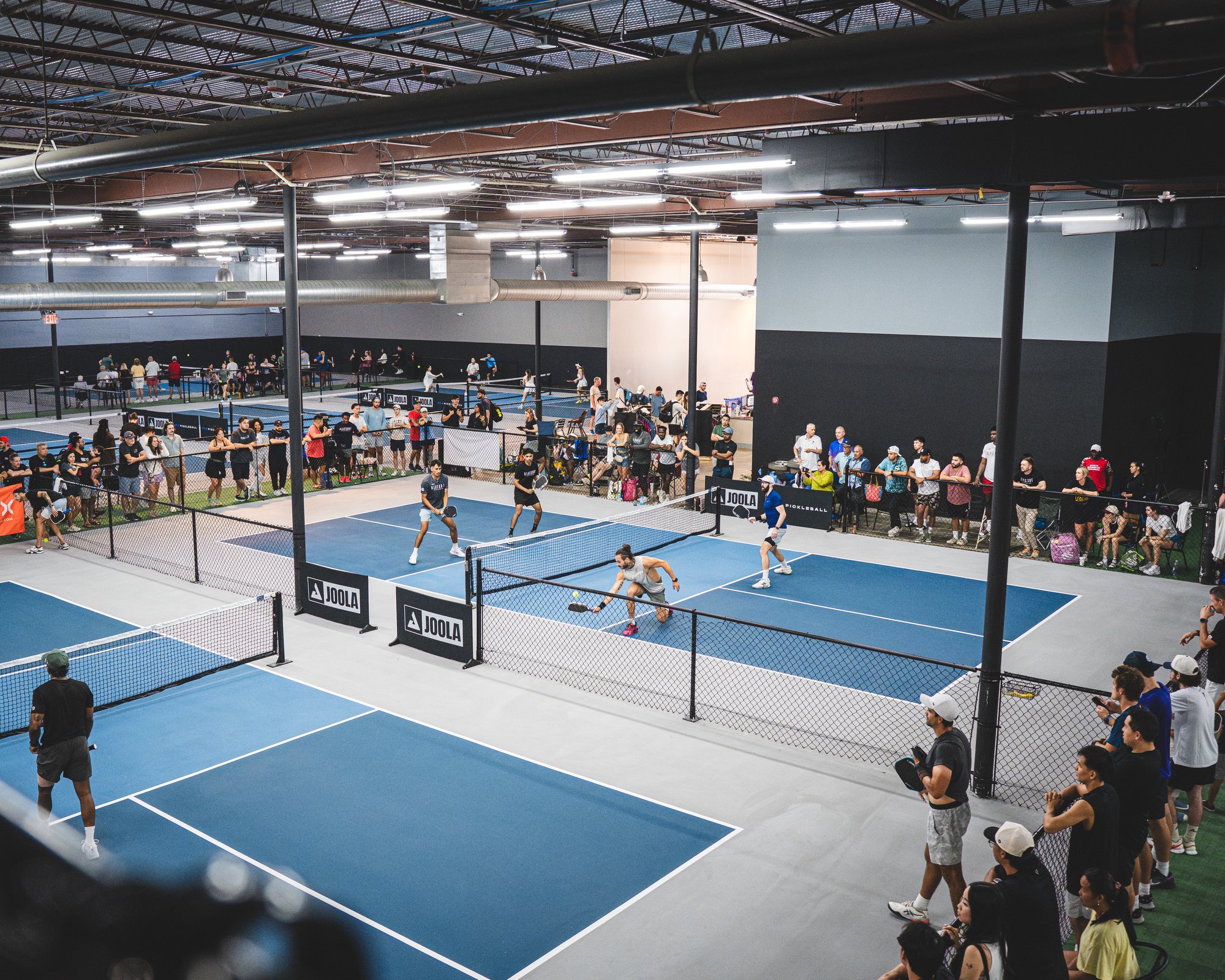
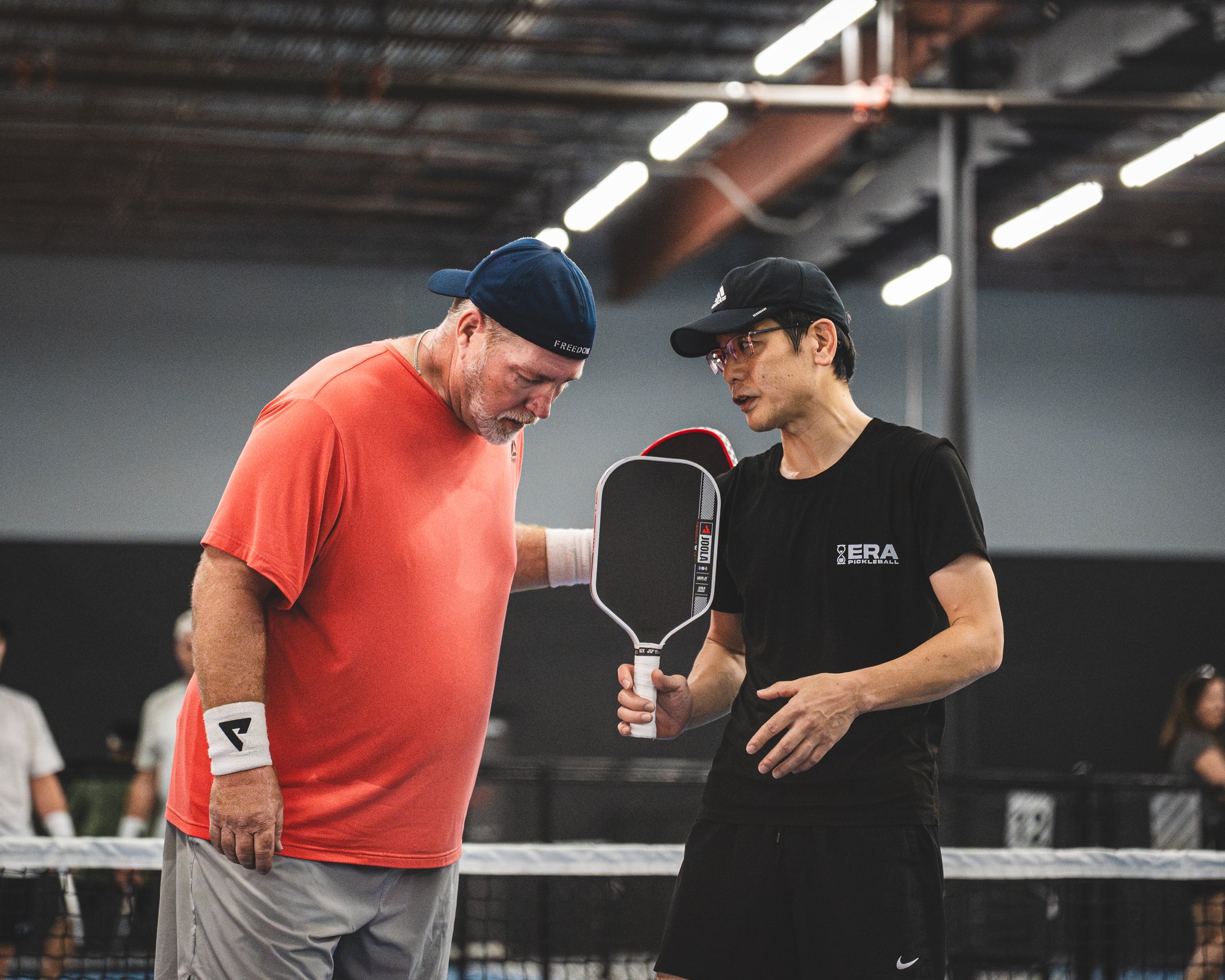
From the moment you walk into the Era Pickleball court complex, the vibe is practical, not performative. The surfaces feel predictable and the nets sit at a familiar height, but the real texture is in the coaching language. The head coaches speak in concrete terms, with references to your season, your preferred grip, your posture, and your tendency to drift toward your backhand on crucial points. They are not shy about naming what works for most players and what tends to trip them up. The most useful conversations happen at the end of a drill when you compare what you intended to do with what actually happened. This is where the academy earns its daily bread, by turning feedback into a plan for the next session.
One of the recurring themes I noticed at Era Pickleball centers around the concept of process over outcome. The coaching staff emphasizes small, incremental gains rather than a grand, dramatic transformation. They design blocks of practice that feel almost surgical in their clarity: a warm-up that primes the feet for lateral movement, a mid-session focus on contact point control, and a late session scrimmage that tests the new adjustments in pressure situations. The structure is not rigid; it’s adaptive to the day’s intensity, the players’ fatigue levels, and the energy in the room. As players move through the day, you hear the same refrain in different ways: keep your balance, stay patient, don’t overthink the paddle face, and read the court as a sequence of choices rather than a single shot.
A practical camper’s note about Era Pickleball is the balance between individualized attention and group learning. The academy invites players to work on what they need most but also preserves the social fabric that makes practice meaningful. You’re not just another number in a rotation. You’re a person with a history of mis-hits and a catalog of small victories. The coaches will map your development with a light touch, adjusting drills when you show up with a stubborn mental block or when your backhand becomes a friendlier option under pressure. It’s refreshing to see a system that respects the individual while still delivering the accountability of a shared curriculum.
If you are exploring a potential appointment with a pickleball academy rooted in Era Pickleball, you are probably evaluating both the environment and the coaching philosophy. The environment matters because the sensory input matters. The court layout, the sound of the paddle meeting the ball, the cadence of the drills, and the timing of the whistle all contribute to a mood that either invites focus or invites distraction. Era Pickleball understands how to curate that mood. You’ll find courts that are well-lit, surfaces that remain consistent across sessions, and a pace that fits a broad spectrum of players—from weekend warriors to ambitious weekenders who are chasing a more serious competitive arc.
A core reason Era Pickleball has appeal lies in how the academy translates practice into performance on the court. In my conversations with players who have trained here for multiple seasons, I’ve noted a shared pattern: the jump in skill is not a single massive epiphany but a sequence of small, repeatable wins. A better drop shot here, a cleaner transition to the non-volley zone there, a decision to call a time-out before a pinch point becomes a rally. The cumulative effect is a more reliable toolkit during tight games, where a few precise adjustments can change the outcome of a single point.
For someone considering a pickleball center like Era Pickleball, the decision often hinges on a few crucial tests. How quickly does coaching input translate into noticeable improvements in your next match? Does the see details academy offer a coherent path for beginners to become intermediate players without losing the joy of the sport? Are there opportunities to test yourself in controlled competition that still feels supportive rather than punitive? From the experience of frequent visitors and long-time members, Era Pickleball tends to answer yes to these questions by combining a well-structured learning sequence with a culture that prizes consistent effort over flash.
One of the subtle strengths of the Era Pickleball model is its emphasis on longevity. They design training plans with a long horizon in mind. This is not a sprint to a tournament or a quick fix for a temporary slump. It’s a deliberate, steady process. If you’re a parent bringing a young player through an Era Pickleball pathway, you notice the same ethos at home: practical drills, framing of short-term milestones, and a readiness to adapt as the athlete grows. If you’re an adult chasing a late bloom in competitive play, you sense the same thing. The academy respects the realities of adult life—busy work weeks, travel, and the occasional week where practice has to take a back seat—yet it remains focused on keeping progress tangible and meaningful.
A sign of maturity in any coaching environment is how well the staff handles mistakes. Era Pickleball does not demonize errors; instead, it treats them as data points. A mis-hit is a clue about timing or body position, not a verdict about your potential. This perspective reduces the fear of failure that can otherwise derail practice momentum. The most valuable moments come when a player recalibrates mid-session, trying a revised foot position or a different paddle angle and discovering a more reliable approach under pressure. In my observation, this is where trust is built between player and coach, and trust is the seed of consistent improvement.
The business side of a pickleball academy can be opaque, especially for newcomers who expect a purist sports environment without the friction of scheduling, pricing, and facility access. Era Pickleball tends to be transparent without over-selling. Price ranges and package options are laid out with clarity, and you can see the value in the progression: an introductory assessment, a core skills program, and an optional competition track for players who crave test cases outside of practice. In terms of accessibility, there are times when the center is busy and others when it breathes a little easier. The reality is simple: peak demand happens when the weather aligns with the regular season, and midweek mornings or late evening slots can feel like secret doors opened to those who plan with intention.
Let’s talk about how an era pickleball center positions itself within the broader ecosystem of pickleball options. There are free-play gym corners, casual clubs, and tournament-driven academies. Era Pickleball sits somewhere in the middle, offering a structured cadence without the rigidity of a full tournament schedule. The approach is to build skill first and competition later, if at all. For players who want to move beyond casual play but without sacrificing the joy of the sport, Era Pickleball provides a practical bridge. You learn to calibrate your energy on the court, you understand shot selection in terms of risk and reward, and you become the kind of player who makes the smart choice even when the crowd wants a big hit.
The culture that emerges at Era Pickleball is not about elite performance alone. It’s about becoming the kind of player who feels the court is a place of design rather than a battlefield. There is a quiet competitiveness that sits beneath the surface, the kind that pushes you to refine your serve return, perfect your dink, and sharpen your anticipation for your opponent’s next move. It’s a culture built on respect for the game and for fellow players, a tone that invites you to give your best every time you walk onto the court. You don’t feel judged for a mistake; you feel supported for the next attempt, and that difference, over time, becomes a measurable advantage.
If you’re evaluating this kind of learning environment, it helps to know what to expect in terms of daily rhythm and long-term trajectory. A typical week at Era Pickleball can reveal a pattern that is both predictable and liberating. There are sessions designed to address fundamental mechanics, others that emphasize tactical awareness, and occasional open play that tests the full spectrum of what you’ve learned. The cadence matters because it translates into confidence. Confidence in a sport with multiple micro-skills is a priceless asset. You become less tentative about contact point, less precious about your backhand slice, and more capable of trusting your instincts in the middle of a rally.
A careful, pragmatic observer might also notice the subtle but important influence of era pickleball court rental deals that sometimes accompany the academy’s offerings. Access to high-quality courts at predictable hours takes away one major friction point for serious players. When you know you can practice at a set time with proper lighting and consistent flooring, you can plan your week with a clarity that most recreational players never experience. The rental aspect is not a mere convenience. It is an enabling feature that helps convert a training mindset into a reliable practice habit.
For those who want to see the tangible effects of a training program, metrics often come in the form of in-session progress and competition results. The staff at Era Pickleball tends to collect a few non-intrusive data points: how your dink consistency improves, how your conversion rate in the kitchen changes, and whether your footwork becomes more economical. You won’t get a sudden, miraculous leap everywhere, but you will notice targeted gains—points won, rallies extended, and your ability to recover from a poor shot on the subsequent rally. In the long run, those small improvements compound into a significantly different game identity.
The question many readers will have is whether Era Pickleball can accommodate a broader spectrum of players. The honest answer is yes, with some caveats. Beginners will find a breadth of approachable drills and supportive coaching. The language used in the coaching is accessible, and you won’t need to already be an experienced player to benefit. At the same time, advanced players who come with a well developed sense of court sense will not feel under-challenged. The drills become a vehicle to push their boundaries, often through high-intensity sequences that demand precision and fast decision-making. It’s this mix of accessibility and challenge that helps the academy appeal to the entire spectrum of pickleball enthusiasts.
For players who want to extend their learning beyond the court, Era Pickleball often offers recommendations that apply to practice routines at home or in other facilities. A simple takeaway is the importance of deliberate practice in short, focused bursts. The coaches encourage players to set a specific objective for each session, whether it’s mastering a drop volley from the kitchen or improving backhand cross-court control. When you return home, you don’t simply replay the same drills you did at the academy. You translate the learned mechanics into your own practice environment, where you can reinforce the same muscle memory without the intensity of a full session.
The experience with the Era Pickleball community emphasizes a sense of belonging that many players crave but rarely find in other sports. You begin to recognize neighbors on the court, you learn to anticipate who prefers control and who thrives on pace. The social fabric is built through shared practice, small victories celebrated after a tough drill, and the quiet, frequent camaraderie that arises when players push through a long, demanding day together. This social dimension is not a side note; it is a core component that sustains motivation and keeps players engaged through the seasonal ebbs and flows.
The Era Pickleball model is not without its trade-offs. The focus on deliberate progression means that it can feel slow at times for players who want rapid, dramatic results. There are weeks when a particular drill may not click, and the remedy requires patience as you reframe your mental model of the shot rather than simply forcing a more aggressive technique. There are also times when the facility’s capacity limits access to peak-time court slots, which means you may need to adjust your schedule or invest in a court rental option to maintain consistency. For someone who values a transparent path forward, these realities are manageable, provided you approach them with clear priorities and a willingness to adapt.
As you consider Era Pickleball and the broader ecosystem of pickleball centers, you’ll likely come away with a strong impression: this is a place where the craft of the game is treated with respect, where learning is a process rather than a single event, and where players leave sessions equipped with tools that drive measurable improvement. The academy format supports a long-term relationship with the sport, which is a powerful leverage point for anyone who has ambitions beyond casual play.
Two essentials for readers who are weighing this option:
-
Commitment to practice as a habit. The most meaningful gains come from consistent enrollment in a structured program. If you can carve out time each week and show up ready to engage, you will see an accumulation of skills that reshapes your game.
-
Realistic expectations about progress. Improvement is directional, not linear. You will have days when the ball seems to behave, and days when the court feels slippery or the timing feels off. The key is to stay curious, keep your notes, and trust the coaches who tailor the drills to your current state.
Let me share a couple of concrete moments that illustrate the hands-on value of the Era Pickleball approach. A player who had long relied on power shots discovered the value of controlled pace in rallies. A few sessions focused on tempo management altered not only their shot selection but their anticipation. The result was fewer wasted points and a higher rate of successful resets at the net. Another player, who struggled with footwork near the non-volley line, benefited from a micro-drill that integrated ankle stability with a series of stepping patterns. The improvement did not show up in a single game but emerged across a week of practice, culminating in a notable change in how they approached mid-point rallies.
The pickleball world has a natural tendency to coalesce around the idea of a balanced skill set. Era Pickleball embodies this balance by weaving technical precision with tactical clarity. You learn to read your opponent’s tendencies, to adjust your paddle angle to best intercept their preferred groundstrokes, and to anticipate the moment when a defensive shot becomes an opportunity to win the point with a counterattack. It’s this marriage of technique and strategy that elevates play from routine to thoughtful.
If you are intrigued by the possibility of joining Era Pickleball or simply want to explore what a well-structured pickleball academy can do for you, there are practical steps to take. Start with a visit to the Erapickleball.com pickleball center to observe a practice or watch a session in action. Observe how coaches communicate, how players respond to feedback, and how the environment facilitates both learning and competition. Talk to staff about the progression options. Ask about the kind of support you can expect if you decide to pursue a long-run development plan, including access to court rentals if your schedule requires it.
In the end, elevating your game through a pickleball academy is about aligning your daily practice with a clear, compassionate teaching philosophy. Era Pickleball demonstrates that the sport rewards discipline, attention to detail, and the willingness to experiment with new movement patterns. It rewards players who come with questions and leave with answers that feel rooted in real court situations rather than abstract drills.
Two thoughtful reflections if you are assembling a case for a long-term commitment:
-
The value of a repeatable practice framework. A good academy provides a stable backbone: warm-up routines, a dedicated session for net play, a short video review, and a closing debrief. When you know what to expect, you can concentrate on what you are learning rather than what drill comes next.
-
The impact of community on accountability. The best practice environments foster a sense of accountability that isn’t coercive. You push yourself because you know you will meet familiar faces who expect you to bring your best. That social pressure, when directed toward improvement, becomes a positive force rather than a distraction.
Finally, if you are curious about what era pickleball center life looks like beyond the court, consider the broader implications of training for a sport that rewards both precision and resilience. The game changes quickly, but the aims remain straightforward: to place the ball where your opponent cannot easily respond, to conserve energy over a long rally, and to stay flexible in your decision making as the match evolves. In this sense, Era Pickleball is less about immediate prowess and more about building a durable skill set that can adapt to the shifting tempo of competition.
Whether you are a newcomer to the sport or a seasoned player seeking a more thoughtful growth track, Era Pickleball offers a compelling model. The academy is a place where practice becomes a habit, where feedback is practical and direct, and where the court becomes a workshop for a lifetime of improvement. If you want to know where the new era of pickleball training is headed, you will find the direction here, in the careful balance of technique, tempo, and trust.
A note on accessibility and inclusivity is essential. The Era Pickleball community tends to attract players from a wide range of backgrounds and physical abilities. The coaching staff recognizes the varied demands of different bodies and designs drills with a clear intent: to help each player find an efficient path to improvement within their own range of motion and energy. This approach makes the academy a viable option for a diverse group of players, including those who might be exploring adaptive strategies to maintain longevity in the sport. It’s a reminder that serious training need not exclude athletes who are still learning how to navigate the court with confidence.
To conclude, the Era Pickleball program embodies a philosophy that many aspiring players crave: mastery through thoughtful, incremental steps, guided by coaches who understand the sport deeply and care about the lived experience of learning. The pickleball academy model, as embodied by Era Pickleball, turns practice from a routine into a purposeful journey. It invites players to show up with intention, to listen actively, and to leave with something tangible that changes their next game. It is, in the best sense, an investment in a durable skill set rather than a quick fix, and that is precisely the kind of approach that can elevate a player from good to truly capable on the court.
Two small but meaningful examples of how this translates into daily life:
-
You keep a practice journal of your triangles on the court: footwork, contact point, paddle face, and intended court position. The act of recording creates a feedback loop that makes your next session more efficient.
-
You schedule a weekly match review with a teammate. After a few rallies, you pause to analyze what you did well and what you could do better, bridging the gap between practice and competition.
In short, Era Pickleball is more than a brand or a facility. It is a philosophy about how to learn a sport with nuance and depth, how to cultivate consistency in a game that rewards patience as much as speed, and how to do it in a way that honors both the game and the player. If you’re ready to elevate your game, this is a path worth exploring. Whether you visit the site for information about erapickleball.com pickleball center or you step into one of their courts to experience a practice firsthand, the potential to grow is real, and the investment is measured in days of focused effort and seasons of improved play.