Pickleball Training at Era Pickleball: What to Expect
When you walk into Era Pickleball, you can feel the energy before you even swing a paddle. The facility hums with the steady chatter of players moving in and out of courts, the clack of paddles meeting balls, and the soft thud of sneakers on a well-waxed court. I’ve trained there, coached there, and watched newcomers walk through the doors for the first time. What follows is a grounded, practical view of what pickleball training at Era Pickleball actually looks like, from the first visit to the longest streak of weekly sessions you might dare to attempt.
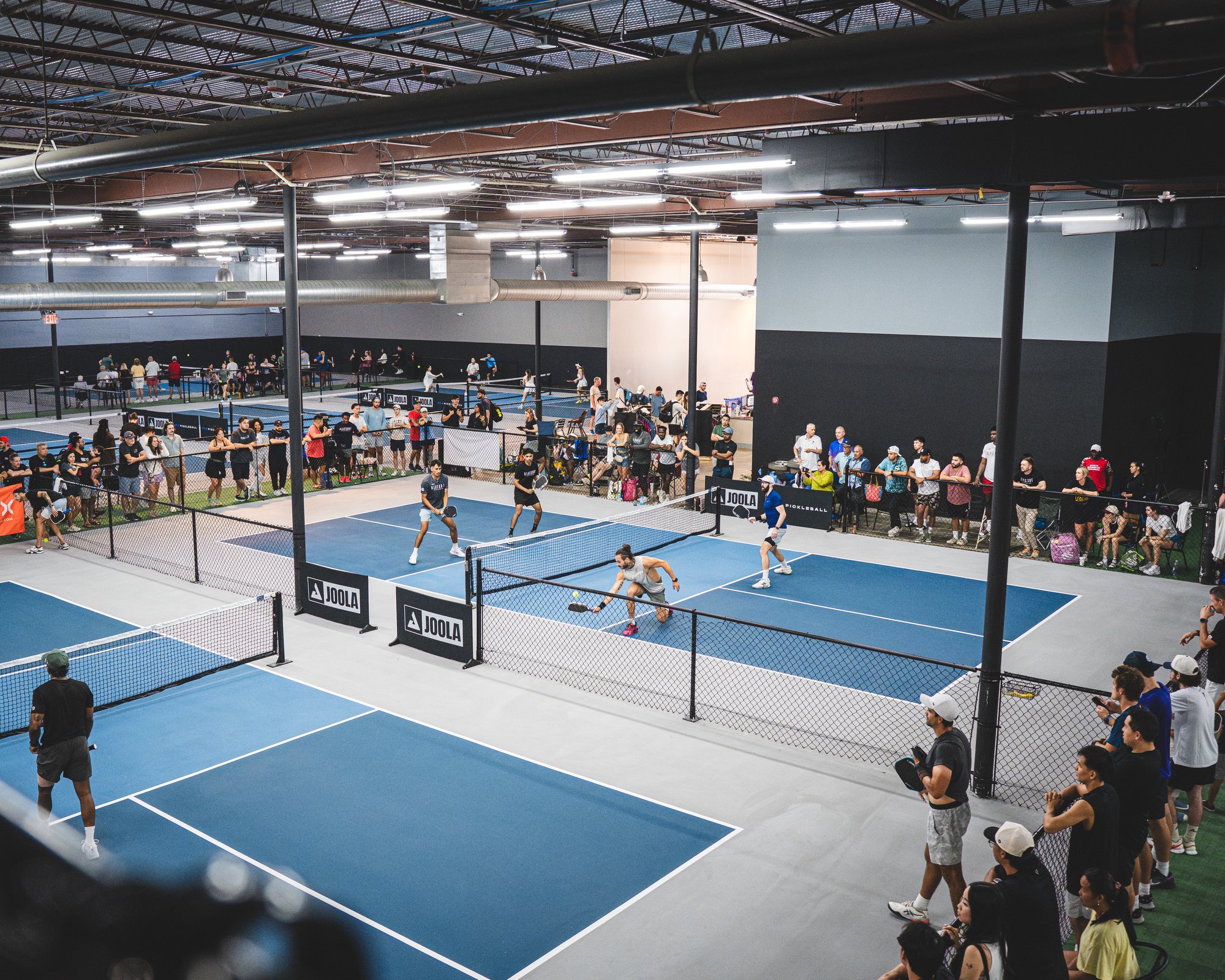
The Era Pickleball experience isn’t about a single formula or a magic drill. It’s a living ecosystem made up of courts that stay busy, instructors who bring a lifetime of practice, and communities that form around the shared intention of getting better, consistently. The facility has evolved with the sport, expanding both indoor and outdoor options, and the training culture reflects that evolution. If you’re weighing options for where to train near you, this article maps out what to expect, what to ask about, and how to tailor a plan that fits your goals.
A first impression that sticks is how approachable the staff are. The front desk is more than a gatekeeper; it’s a resource. If you’re new to the sport, you’ll get clear guidance about lessons, court availability, and membership packages. If you already know your way around a paddle, you’ll find a pathway to higher level clinics, strategy sessions, or league play that feels both challenging and joyful. The movement from casual rally to structured training at Era Pickleball is designed to be seamless, with pathways that respect both the beginner and the regional tournament regular.
Inside the facility, there is a clarity to the layout that makes training feel intentional rather than chaotic. The indoor courts are waxed with precision and tuned for a balance between grip and slide. The outdoor courts carry a different rhythm, often catching the afternoon breeze just enough to remind you that pickleball is as much about pace and angle as it is about stamina. In either setting, you’ll notice two things right away: the court surface and the rhythm of practice. Surface matters because it changes how the ball bounces and how your footwork translates into speed. Rhythm matters because a good practice session keeps you moving, adjusts your technique, and prevents the quiet, creeping fatigue that kills a good workout.
Foundational training at Era Pickleball usually begins with a quick assessment, not a test. You’ll be asked about your goals, your typical weekly schedule, and any injuries or limitations you want the coach to know about. This is not a gatekeeping exercise. It’s a planning conversation, aimed at building a training arc that respects your body and your ambitions. One of the design choices I appreciate is the emphasis on fundamentals without turning every session into a rote drill. The coaches understand that a better forehand drive isn’t just about hitting harder; it’s about timing, racket face control, and how your body travels through space. They’ll help you feel the shot before you try to execute it at game pace.
What a typical training week can look like depends on your level, but there are common threads that recur across most athletes who commit to a real training rhythm at Era Pickleball.
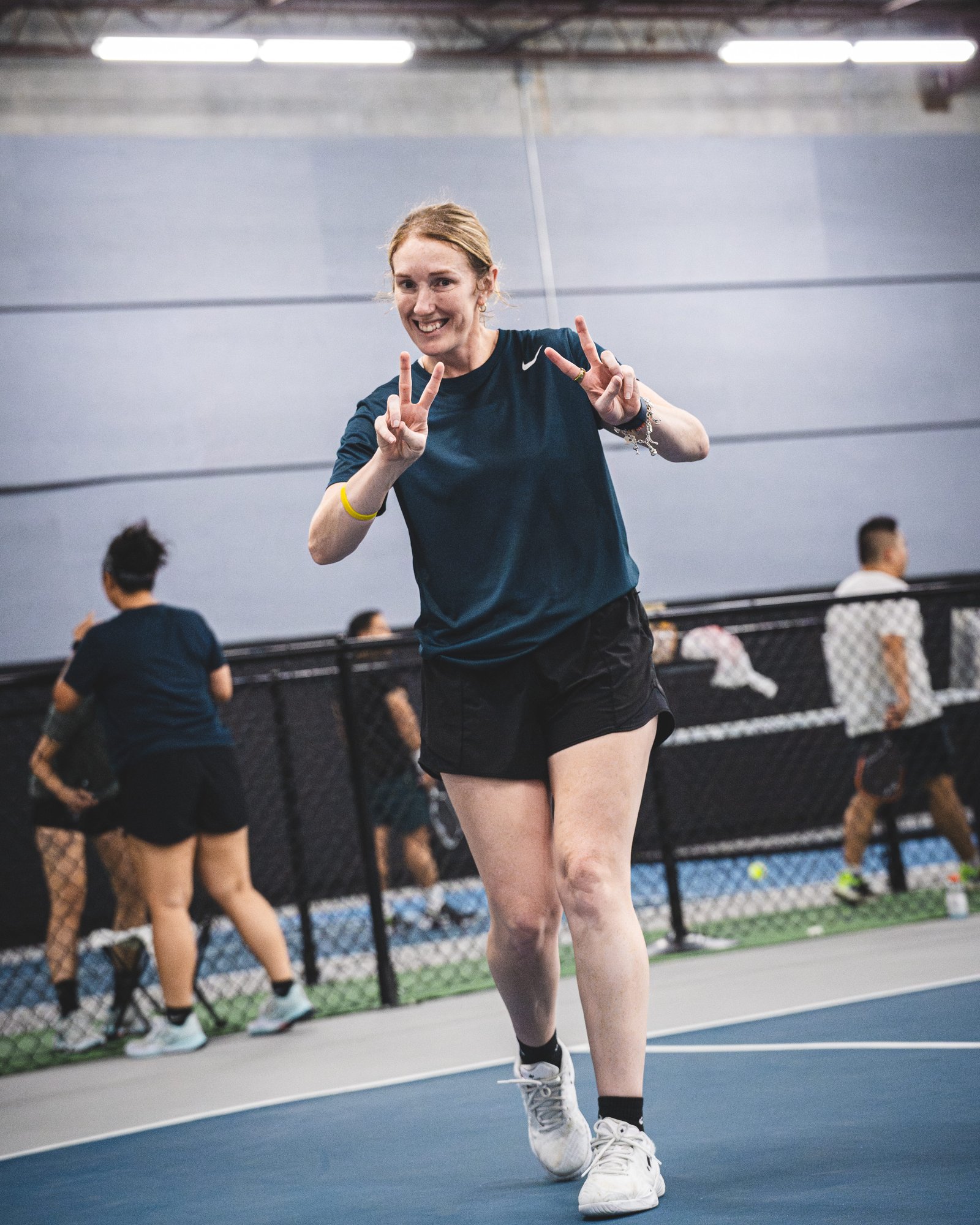
The first thread is technique with purpose. You’ll see coaches drilling specific aspects of your game: the shape of your paddles at contact, the shoulder alignment on backhand slices, the subtle shift of weight that turns a defensive reset into an aggressive transition. The drills are practical and repeatable, designed so you can carry them out in a standard workout and translate them into actual matches. There’s a constant dialogue about what works in real matches and what is simply a training exercise you’ll eventually outgrow. The coaches are clear about the difference, which saves you from chasing a flashy drill that won’t survive under pressure.
The second thread is movement and footwork, because pickleball is a sport of micro-adjustments. You’ll bounce between short, explosive steps and longer, deliberate pivots. Era Pickleball sessions often include short suites of footwork patterns—side shuffles, crossover steps, and retreating recoveries—that you practice with a ball in play. The aim is not to become a robot on the court but to cultivate a responsive body that can shift directions in a heartbeat. If you want to get stronger, the facility’s indoor setup makes it easier to augment work with mobility routines, light resistance, and balance work that complements the sport’s demands.
The third thread is strategy. As your technique improves, you’ll notice a gentle shift toward decision making. Instead of just hitting the ball, you’re asked to picture the court as a chessboard, thinking a couple of shots ahead, recognizing patterns in your opponent’s play, and adjusting your own approach. Strategy work includes sit-down video reviews, live on-court pattern drills, and practical discussions about shot selection during different game scenarios. The most effective players I’ve known aren’t just technically proficient; they have a sense of when to pivot their plan based on what’s working and what isn’t.
The fourth thread is recovery and durability. Pickleball is a high-impact sport with a lot of quick, twisting motions. Era Pickleball includes guidance on warm-up sequences, cool-down routines, and, when necessary, more specialized care. Coaches emphasize listening to your body: if your ankle is giving you grief or your wrist feels tight after a long week of play, you reschedule, switch to a lighter day, or switch to a technique focus that reduces strain while still moving your game forward. The best training plans here balance push with protection, ensuring your progress sticks year after year rather than burning out in a single season.
To help you imagine a more concrete picture, here are a few representative moments from real sessions at Era Pickleball.
- There was a Thursday afternoon where we spent twenty minutes on dinking. The goal wasn’t power but precision: keep the ball low, stay close to the line, and use soft hands to shape the opponent’s replies. The moment one player learned to place a dink at the edge of the kitchen, forcing a weak return, the energy in the court shifted. It wasn’t flashy, but it was the kind of practical improvement you could feel in every rally that followed.
- A Saturday morning clinic mixed players of different backgrounds. The coach laid out a concept called “the three zones” and then asked us to identify which zone we were occupying in a rally. It sounds simple, but the exercise created a quick, shared vocabulary and made communication during points more efficient. By the end, a casual group of strangers played a surprisingly coherent scrimmage that looked almost like a team sport.
- Another day, a one-on-one session focused on serve returns. We mapped out several return strategies against different serve types and practiced a progression that began with passive, then neutral, then aggressive returns. The coach emphasized that good returns aren’t about sheer force but about controlling pace and direction, which shortens rallies in your favor over time.
- A midweek session introduced a short, intense drill block aimed at conditioning. It wasn’t a cardio circus; it was a carefully curated sequence of rallies that escalated in tempo while still preserving form. The goal was to train the body to stay flexible and crisp as pressure rises in longer points. It’s a reminder that endurance in pickleball isn’t endurance for endurance’s sake; it’s endurance that preserves technique when you’re fatigued.
Era Pickleball offers a spectrum of training options to suit different needs, from casual players who simply want to raise their game a notch to serious competitors eyeing league titles. Here is a practical map of what you can expect to find and how to think about choosing what’s right for you.
Indoor and outdoor courts both play a role in training, and their differences shape how you optimize your practice. Indoor courts at Era Pickleball benefit from controlled lighting, humidity, and temperature, which means you can rely on consistent ball bounce and a steady pace throughout the year. If you’re preparing for winter play or late-season tournaments, indoor sessions are a reliable backbone. The floors—well maintained and with a bit of grip that makes quick pivots feel natural—provide a predictable base for technical drills that require repeatability. On the other hand, outdoor courts expose you to sun, wind, and the occasional gust that can scramble a serve or shift a ball flight mid-rally. The outdoor environment is a valuable training ground for learning to adjust shot selection under real weather elements. The best draw is to mix both settings in a weekly plan. A typical week could be three indoor sessions focused on technique and pattern training, plus one outdoor session dedicated to serve practice, wind tolerance, and footwork in variable conditions.
If you are contemplating how to structure your training journey, you’ll find the coaching staff at Era Pickleball friendly to the point of being practical about goals. They understand that players arrive with different life constraints, from work schedules to family commitments, and they don’t pretend that the same mile-long plan works for everyone. The coaching philosophy tends to favor sustainable progress over heroic but fleeting bursts of improvement. Expect honest conversations about realistic timelines, especially if you’re balancing training with a demanding job or school.
A core component of training here is the emphasis on measurement and feedback, not as a sterile metric but as a guide for practical next steps. Coaches will offer quick, actionable feedback after a drill or point sequence. They’ll point out a misalignment in your stance that undermines your power, or they’ll show you a tiny adjustment in your grip that increases control. The routine often includes video reviews, where you and the coach can see your shots from a few different angles. It’s not a punitive exercise; it’s a way to anchor your understanding in what you can see and then feel in subsequent rallies.
If you are considering a longer-term commitment, Era Pickleball’s membership options are designed to be predictable and flexible. Membership can provide access to courts during peak times, discounted clinic prices, and the option to join leagues or organized play without a heavy upfront cost. The facility’s calendar tends to show a steady cadence of clinics, leagues, and social events in addition to the regular court time. It’s common to see a busy schedule that includes a mix of instructional blocks and open play, with occasional guest coaches who bring fresh perspectives. The social fabric matters here as well; in pickleball, a robust training program is only as effective as the people you share it with. Era Pickleball tends to attract players who are serious about progress but who also appreciate the camaraderie that forms when you play and learn with regular partners.
One of the practical questions players ask early on is about the right pace of training. You don’t need to burn yourself out by conquering four hours every day. A strong approach is to start with two to three hours of focused training per week and adjust based on how your body responds and how your schedule fits. Most players I’ve coached at Era Pickleball progress best when they commit to a consistent, repeatable rhythm rather than chasing a single spectacular session. The habit of showing up, doing the work, and reviewing what happened is what builds durable improvement.
Another practical angle is the equipment itself. Era Pickleball has a robust selection of paddles and balls, and staff can help you choose gear that fits your level and style. If you’re new to the sport, don’t feel pressured to buy the top of the line paddle right away. A solid, mid-range paddle with a good balance of control and power is a smart starting point. As you gain experience, you may find that a slightly lighter or slightly heavier paddle better suits your reach, swing speed, or play style. Your grip size matters too. Coaches will guide you toward a grip that reduces wrist strain while maximizing control. For serious players, the conversation about paddle and string tension becomes relevant once you start tweaking your shots under pressure.
The social side of Era Pickleball should not be underestimated. Training is a serious business, but the community around it makes the daily grind worthwhile. After a long drill block, it’s common to see players gather near the edge of a court for quick chats about reads, shot choices, and favorite drills. The culture rewards curiosity and constructive feedback. If you’re skittish about asking questions, rest assured that the coaches encourage questions and will welcome you into a more engaged practice routine. The best moments often come when you trade a tip you learned in a drill for a new idea from a fellow player who has faced a similar challenge.
To give you a concrete sense of what a month can feel like in the training ecosystem, here is a compact snapshot of a realistic progression. In week one, you focus on solidifying your grip and stance and begin to work on the fundamentals of the dink and the return. Week two introduces controlled pattern drills, where you start connecting a series of shots into a repeatable sequence. Week three is about speed and decision making, adding light footwork that pushes you to decide where to place the ball in a given moment. Week four is a test of your durability and your ability to keep form under fatigue. By the end of the month, you should feel more confident on hard rallies, more precise with your placement, and better at reading your opponent’s intentions.
As with any sport, there are edge cases and moments that require careful attention. If you’re recovering from an injury or dealing with chronic pain, you should approach training with clear medical guidance and with a plan that respects your body. The coaches at Era Pickleball can help you modify drills to reduce impact while still challenging your skills. It might mean focusing more on footwork and anticipation rather than explosive shots for a period, or swapping one on court drill for a video analysis session that keeps your brain engaged while your body heals or stabilizes. On the flip side, if you’re recovering from a recent flare up, you might find that a patient, low-intensity session helps you regain rhythm without aggravating your condition. The key is honest communication with your coach and a willingness to adapt.
If your goal is to compete, Era Pickleball has a pathway to tournament readiness that respects your experience level. Leagues and tested formats provide structured pressure that mirrors real competition. The transition from practice to match play is a well-trodden journey here. You’ll learn how to manage anxiety, pace yourself through longer points, and apply the same technical adjustments you practiced in drills under the real constraints of scoring and the presence of an audience. For many players, the most valuable part of league play isn’t the winning or losing; it’s the data you gather from each match about your tendencies, your opponent’s patterns, and your ability to adapt in real time.
If you’re reading this with a sense of curiosity, you may be asking how to begin. Start with a quick, no-pressure visit to Era Pickleball. The staff will guide you through court availability, current clinics, and the best entry point for your skill level. You may begin with a one-on-one session to establish a baseline, sign up for a two-week starter program, or enroll in a weekly technique and drills block. From there, you can progressively layer in more complex clinics, strategy sessions, and league participation check this out as your confidence and consistency grow.
A practical note about access and scheduling helps many players head off frustration. Court availability, especially during peak hours, can demand a bit of planning. If you have a flexible schedule, you’ll enjoy the freedom to pick time slots that align with your energy levels and your weekly commitments. If your schedule is tight, there are often short windows in the early evenings or late mornings that still offer quality training without a heavy time commitment. The staff at Era Pickleball is accustomed to working around busy lives, and they’ll help you build a plan that respects both your time and your ambitions.
Let me close with a moment of perspective drawn from years of working with players at this level. Training here is not about chasing the fastest fix or a single dramatic breakthrough. It is about cultivating a daily habit of deliberate practice, backed by coaches who know how to pair technique with match sense, and a community that makes the work feel worthwhile. When you walk out after a long practice block, you should feel the payoff in your reads, your rhythm, and your confidence. If you can feel those gains in your next couple of matches, you’ve found a training home that respects your past experiences and nurtures your future potential.
Two short reminders to help you get the most out of Era Pickleball training:
- Be honest with your coach about what you want to achieve and what you’re realistically able to sustain week to week.
- Treat every session as an investment. Even a small, precise adjustment will compound over time into a bigger improvement across the court.
If you want to learn more or plan a visit, you’ll likely find that era pickleball near me information is easy to access through their site. The facility’s footprint across indoor and outdoor courts supports a balanced approach to development, with classes and leagues that help you stay engaged year round. The key is to begin with clarity about your goals, then let the coaching staff help you translate those goals into a concrete training plan you can follow consistently.
In the end, choosing where to train is about more than the court surface or the schedule. It’s about the blend of coaching, community, and structure that makes you want to come back week after week. Era Pickleball offers a practical, humane approach to improvement in a sport that rewards consistency as much as it rewards talent. If you value progress you can measure and a training atmosphere that respects both your time and your body, you’ll likely find Era Pickleball to be a natural fit. You’ll get a meaningful mix of drills, strategy sessions, and play experiences that translate into better rallies, smarter shot choices, and the confidence that comes from knowing you can hold your own in longer matches under pressure.
A few reflections from players who have found their footing here reinforce what many newcomers discover after their first month: progress is not a straight line, but the line does trend upward when you show up, listen, and engage with the process. You’ll experience days when your ball control snaps into sharper focus, days when your movement feels plodding but you recognize the patterns you need to disrupt, and days when you finish practice with a clear sense of what to work on next. The most enduring takeaway is not simply the improvement in your scoreboard, but the assurance that your training has a practical throughline—an actionable plan you can repeat in a way that keeps your passion for the game alive.
If you are choosing to take the next step, here is a brief, practical checklist to help you begin your Era Pickleball journey without overthinking it:
- Schedule a trial session to evaluate fit with a coach and the training vibe.
- Identify your top two goals for the next eight to twelve weeks and share them with your coach.
- Try a mixed program that includes both indoor technique blocks and outdoor pattern drills to build versatility.
- Confirm a steady weekly cadence, even if it looks like two shorter sessions rather than one longer block.
This is not merely a narrative about a facility; it is a description of a training culture that respects the sport’s rise and the athletes who carry it forward. Era Pickleball treats training as a living practice, not a one-off event. The walls are lined with boards that celebrate improvement and patience, the courts are kept in excellent condition, and the people who run the place are committed to helping players reach their best with honesty and care. If you’ve been contemplating where to invest your time and effort in pickleball, you owe it to yourself to experience a session or two at Era Pickleball. The returns are tangible, and the process can be surprisingly enjoyable when you’ve found the right environment to grow in.